
How Technology Is Changing Modern Shooting Ranges in America
The American shooting range industry is evolving. While traditional target practice remains at the heart of the shooting sports experience, technology is influencing how facilities operate, how instructors deliver training, and how shooters interact with their targets.
From electronic target systems to improved ventilation and digital range management, modern shooting facilities have more tools available to improve convenience, consistency, and safety.
Here are some of the developments shaping the modern shooting range experience.
1. Electronic Target Systems Are Improving Convenience
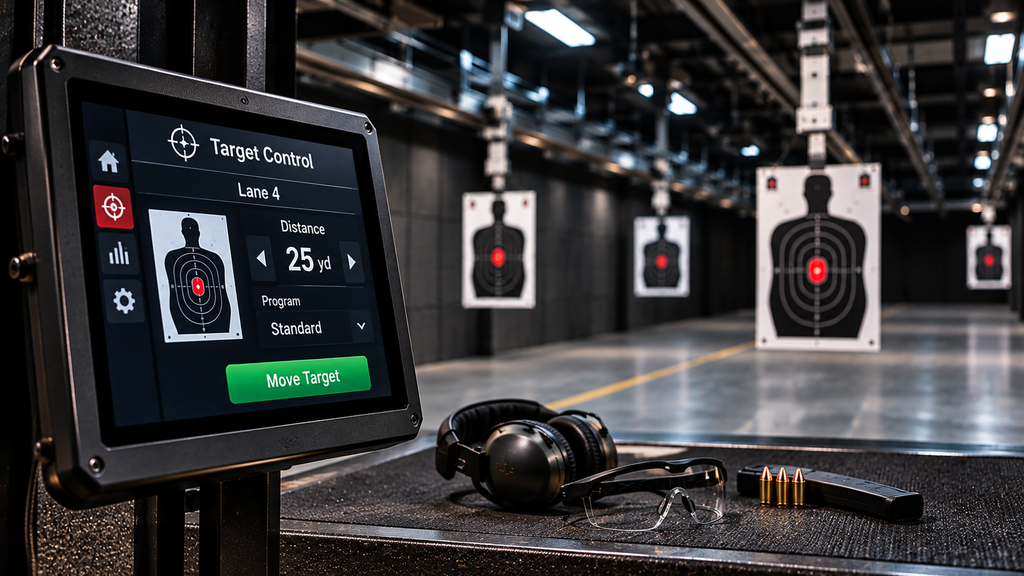
Traditional shooting ranges often rely on paper targets that must be manually replaced or retrieved.
Modern electronic target-retrieval systems allow shooters to adjust target distances from their firing positions, reducing interruptions during a session.
Some facilities also offer digital scoring systems that record results and provide immediate feedback.
These technologies can make practice more convenient and help shooters track their performance over time.
However, electronic equipment does not replace proper supervision or established range safety procedures.
2. Digital Training and Simulation Are Expanding
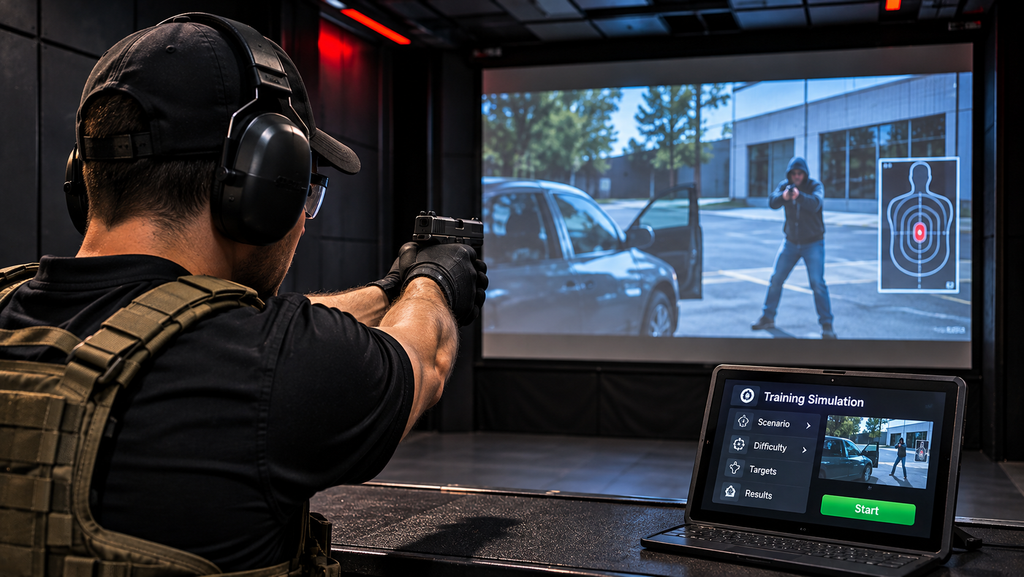
Simulation technology is another area of interest for shooting facilities and training providers.
Certain systems use interactive screens, projected scenarios, or laser-based training equipment to create structured exercises without conventional live-fire ammunition.
These environments can support introductory education, decision-making exercises, and instructor-led practice.
Although simulation cannot fully reproduce every aspect of live-fire shooting, it can complement traditional training when used appropriately.
3. Ventilation and Environmental Safety Remain Major Priorities
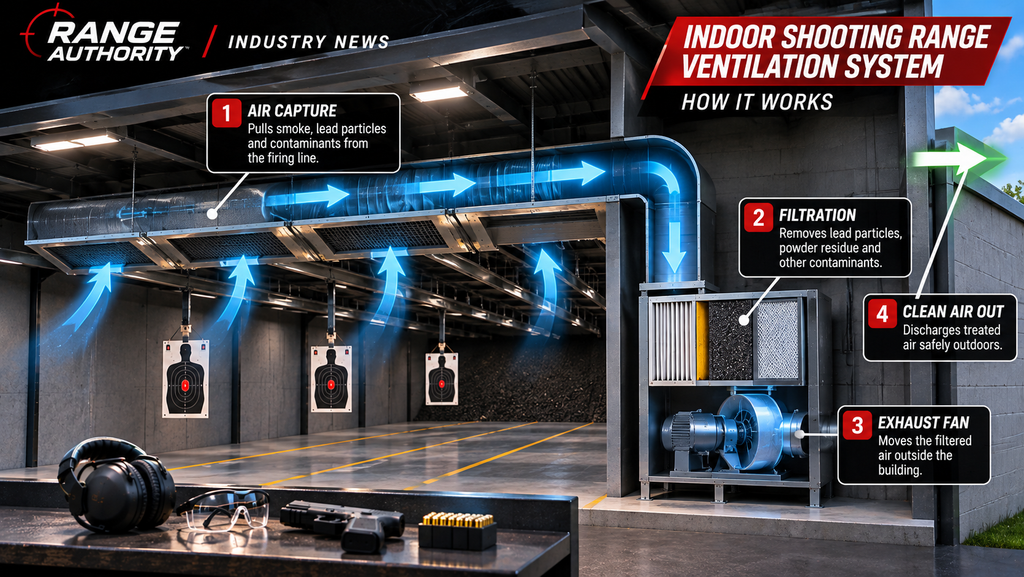
Technology is not limited to targets and training equipment.
Indoor shooting ranges must address environmental concerns, including airborne lead particles and high noise levels.
The National Institute for Occupational Safety and Health (NIOSH) has documented the importance of effective ventilation, exposure controls, and appropriate cleaning procedures at indoor firing ranges.
According to the CDC’s guidance on controlling lead and noise in indoor firing ranges, properly designed ventilation systems, good housekeeping practices, and personal hygiene measures play important roles in reducing exposure risks.
Modern ventilation and filtration systems can help manage airborne contaminants when properly designed, operated, and maintained.
For range operators, investing in environmental controls is about more than comfort. It is an important part of protecting employees and visitors.
4. Online Booking and Digital Range Management
Digital services are also changing the customer experience.
Depending on the facility, visitors may be able to reserve shooting lanes, schedule training sessions, review membership options, or complete administrative forms online.
For range operators, digital management tools can help organize appointments, monitor lane availability, and maintain customer records.
These conveniences are particularly useful for first-time visitors who want to understand a facility’s requirements before arriving.
5. Technology Still Depends on Responsible Range Operations
Despite these developments, technology alone does not make a shooting range safe or effective.
Qualified supervision, clear procedures, appropriate protective equipment, and regular facility maintenance remain essential.
The CDC’s publication on reducing exposure to lead and noise at indoor firing ranges reinforces the importance of practical protective measures for both workers and visitors.
An advanced target system cannot replace a knowledgeable range safety officer. Likewise, a modern-looking indoor facility still requires properly maintained environmental controls.
The strongest approach combines useful technology with responsible operating practices.
What Does the Future Look Like?
Shooting ranges may continue adopting more interactive training systems, digital customer services, and equipment designed to improve facility operations.
However, adoption will vary depending on a range’s budget, location, intended users, and training programs.
For shooters, the most important question is not simply whether a facility has the newest technology. It is whether that technology contributes to a well-managed, professional, and safe experience.
Final Thoughts
Modern shooting ranges are gradually becoming more connected and technology-driven, but the fundamentals remain unchanged.
Responsible firearm handling, clear range rules, trained personnel, and effective safety measures are still the foundation of a quality shooting experience.
At Range Authority, we believe understanding both traditional practices and emerging industry developments helps readers make better-informed decisions about shooting sports.