
Indoor vs. Outdoor Shooting Ranges: What’s the Difference?
Not all shooting ranges offer the same experience. Understanding the differences between indoor and outdoor facilities can help you choose the environment that best fits your needs.
Shooting ranges across the United States vary in size, layout, equipment, and available services. Two of the most common options are indoor and outdoor shooting ranges.
Both provide designated environments for recreational shooting, training, and shooting sports. However, they differ in several important ways, including weather exposure, noise, ventilation, available distances, and facility rules.
What Is an Indoor Shooting Range?
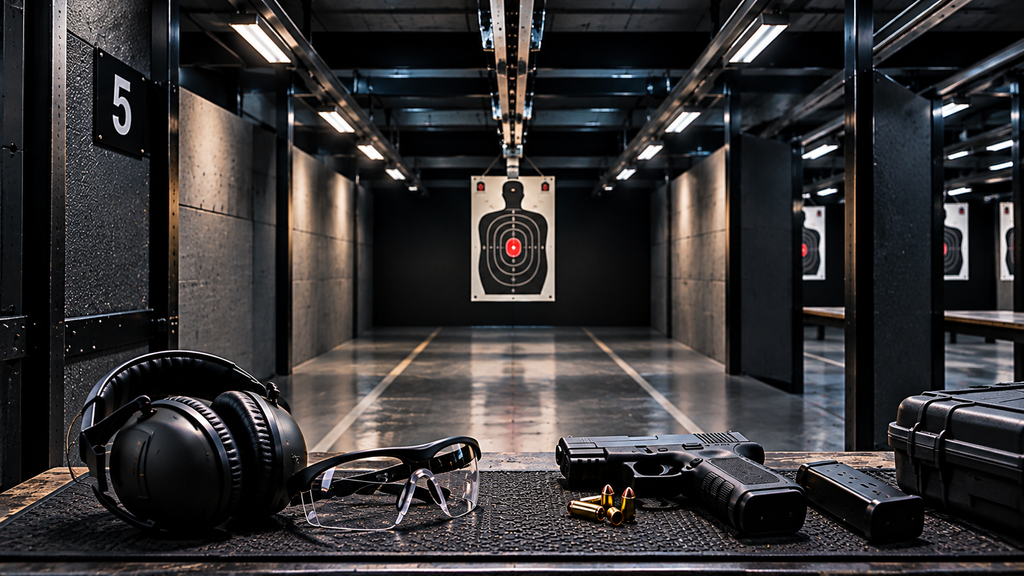
An indoor shooting range is an enclosed facility with designated shooting lanes, target systems, and protective infrastructure.
Many indoor ranges feature controlled lighting, mechanical ventilation, and electronic or manually operated target carriers.
Because they operate inside a building, indoor ranges are generally less affected by weather conditions.
Common features include:
- Enclosed shooting lanes.
- Target retrieval systems.
- Artificial lighting.
- Ventilation and air filtration systems.
- Hearing and eye protection requirements.
- Staff supervision and facility-specific safety procedures.
Some commercial indoor ranges also offer firearm rentals, safety classes, and introductory sessions.
Advantages of Indoor Ranges
One of the biggest advantages of an indoor range is convenience. Visitors can often practice regardless of rain, wind, or seasonal weather conditions.
Indoor facilities may also be located closer to urban areas, making them more accessible to people who live in cities.
Limitations of Indoor Ranges
Indoor shooting ranges may have restrictions on firearm types, ammunition, and shooting distances.
Noise can also be particularly intense inside enclosed environments, making appropriate hearing protection essential.
Proper ventilation is another important consideration because shooting activities can produce airborne contaminants, including lead particles.
What Is an Outdoor Shooting Range?
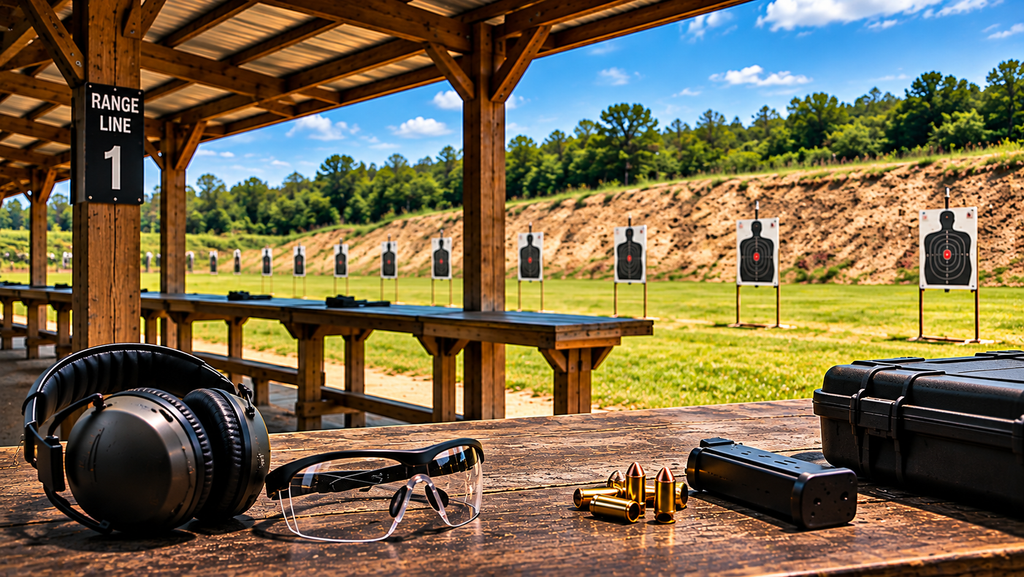
An outdoor shooting range operates in an open-air environment, often featuring covered firing lines, designated target areas, and larger shooting spaces.
Outdoor facilities may support recreational shooting, organized competitions, and various training activities.
Depending on the location, outdoor ranges may provide greater distances and accommodate a wider variety of shooting disciplines.
Advantages of Outdoor Ranges
Outdoor ranges often provide more flexibility in terms of available distances and shooting activities.
The open environment may also offer a different experience from enclosed indoor facilities.
Some outdoor ranges host organized shooting competitions, recreational events, and structured training programs.
Limitations of Outdoor Ranges
Weather is one of the most noticeable differences.
Rain, wind, temperature, and changing daylight conditions can affect comfort and facility operations.
Outdoor ranges may also be located farther from urban centers and may operate under more limited schedules.
Indoor vs. Outdoor Shooting Ranges: Key Differences
| Feature | Indoor Shooting Range | Outdoor Shooting Range |
|---|---|---|
| Environment | Enclosed | Open-air |
| Weather exposure | Generally limited | Directly affected |
| Shooting distances | Often shorter | May offer longer distances |
| Noise | Reflections can increase perceived noise | Still hazardous; varies by layout |
| Ventilation | Requires engineered airflow systems | Natural airflow, with exposure risks still present |
| Accessibility | Often located near urban areas | May require additional travel |
| Activities | Often lane-based | May support additional disciplines |
These are general differences. Individual facilities can vary considerably.
Safety Considerations
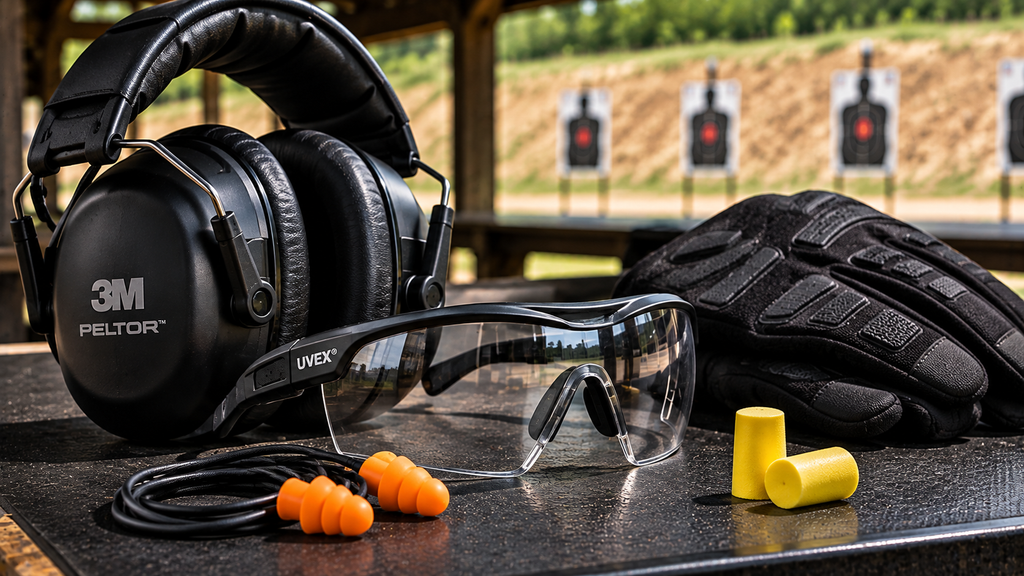
Safety should always be the deciding factor when choosing a shooting range.
Both indoor and outdoor facilities should maintain clearly communicated rules, appropriate protective measures, and procedures for handling emergencies.
Visitors should follow all instructions from range personnel and use appropriate eye and hearing protection.
At indoor ranges, ventilation and lead exposure controls deserve particular attention. At outdoor ranges, safe range design, weather conditions, and environmental management are also important.
Neither type of facility is automatically safer simply because it is indoors or outdoors.
Which Type of Shooting Range Is Better for Beginners?
Both indoor and outdoor ranges can be suitable for first-time visitors.
An indoor range may be convenient for someone seeking a structured commercial facility with rental equipment and introductory instruction.
An outdoor range may appeal to visitors interested in open-air shooting activities or organized shooting sports.
The most important consideration is whether the facility offers clear safety procedures, qualified instruction, and services appropriate for your experience level.
Before visiting, contact the range to ask about its policies, available instruction, rental requirements, and permitted activities.
Final Thoughts
Indoor and outdoor shooting ranges serve different needs, and neither option is universally better.
Indoor ranges often emphasize convenience and a controlled environment, while outdoor ranges may offer more space and a wider variety of shooting activities.
Choosing the right facility depends on your goals, location, experience, and the services available.
At Range Authority, we believe informed decisions begin with knowledge, safety, and responsible participation.
Facility policies, operating conditions, and applicable laws vary by location. Always verify requirements directly with the range before visiting.